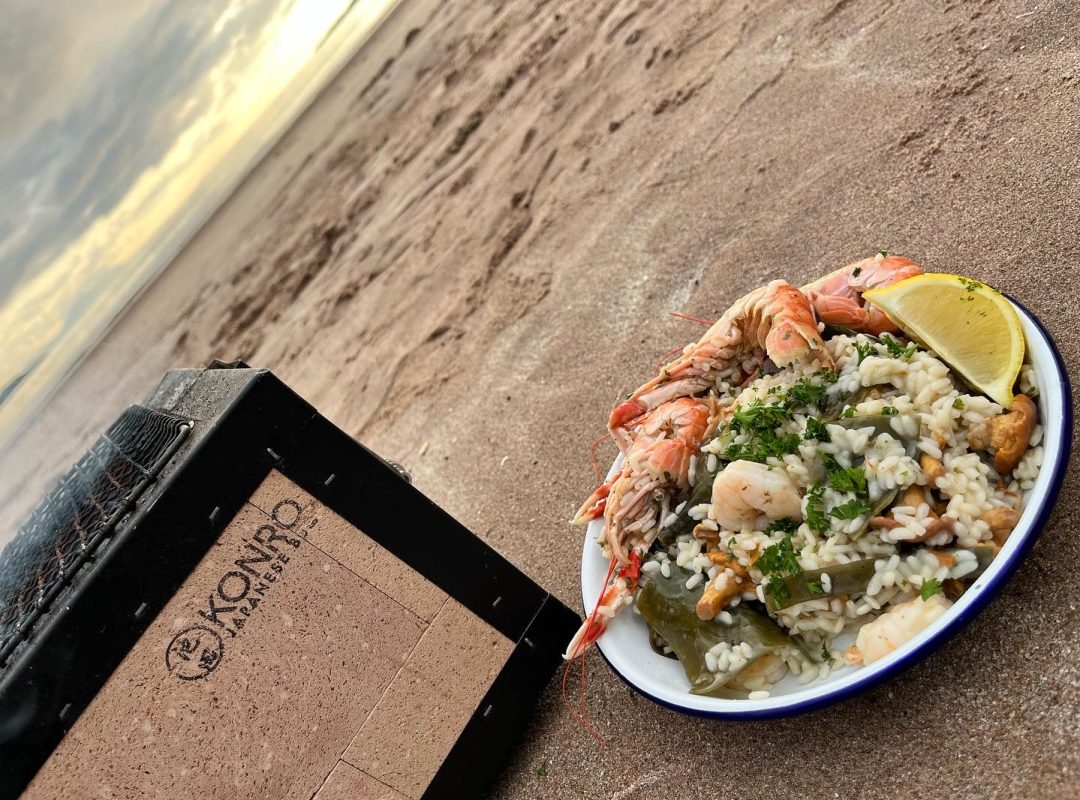
Wherever possible I always like to, and I encourage you to use food and produce that is as fresh, sustainable, and as ethical as possible. If that means a single line caught trout, rough shot game, free range poultry, home grown fruit and vegetables, foraged mushrooms and wild garlic or even finding a really good local farm shop that sells its own produce. I promise that not only the taste will be massively superior to any mass produced, chemically enhanced vegetables, or overcrowded, cramped animal sheds with no room to exercise, but you will be supporting the local farmers and encouraging better animal welfare.
Despite thoroughly enjoying my fruit and veg, I don’t claim to be a vegan or vegetarian, however that does not mean I support the unnecessary cruelty and abuse some of the world’s farmed animals are subject to. There is simply no need!
I hope to encourage you to source great ingredients that have been produced ethically and sustainably after all your eating it so it’s only right to want to know that your cauliflower hasn’t been continually sprayed with chemicals or that your chicken hasn’t been stuck in a crowded barn walking and sitting in not only its own faeces but a further 15000 chicken’s faeces. An important lesson I have always taught my children is understanding where their food comes from. The saying “field to fork” and “kill it, cook it, eat it” are used regularly in our house. You’ll be surprised how many young people of today couldn’t even tell you what animal their beef burger came from or where the main ingredient from shepherd’s pie comes from. We don’t need the pallet of a Michelin starred chef but to understand and respect where the food we are eating is from a little more I feel would go along way in us eating a much more balanced and healthier diet.
Fact
Humans eat roughly 200 types of plants, though scientist estimate that there are about 100,000 edible species on Earth – out of the 400,000 different species of plants.
If you decide to forage for your food do NOT eat anything you are not 100% sure on what it is. There are many tasty edible mushrooms out there that you may come across on your daily walk however there are just as many if not more that can be extremely dangerous if digested so my motto is “if you don’t know it, throw it”.
A great idea is to buy a small pocket foraging guide to carry with you when your out and about and you can use it if you’re not quite sure. I’ve also added some “Note” pages to the back of this book so when you’re out on your own cooking wild adventure, you can make notes of locations of wild edibles you come across, document wildlife or make note of idyllic spots to sit and enjoy future meals in the wilderness.
Whenever you decide to go the whole hog and not only eat but cook wild as well, the most important rule of them all is “leave no trace”. It is so important that these beautiful wild and wonderful places stay that way for generations to come. Leaving burn marks in the ground from your campfire, litter in the hedge bottoms or even big areas that you’ve trampled down will only cause damage to that area and all the wildlife that lives there, so not only do you need to leave it exactly how it was when you arrived but try to safely take at least one bit of extra litter home with you too.

 Cooking Wild